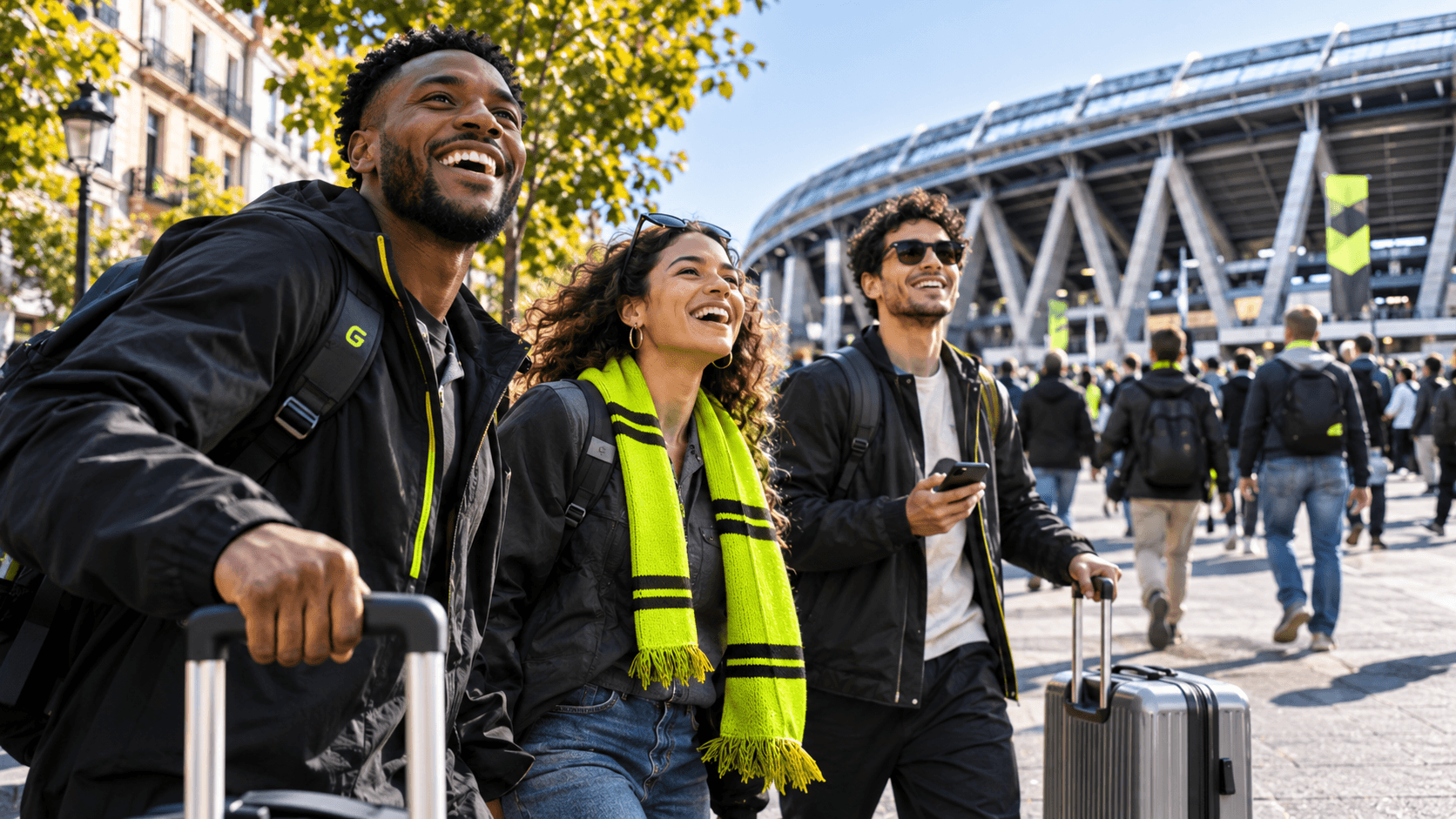
Arriving a day early gives a match weekend room to breathe.
A great match weekend starts long before the anthem. It starts with a confirmed seat, a hotel that will not leave you scrambling after full time, and enough room in your plans to enjoy the city beyond the stadium gates. A European football weekend itinerary should make the match the centerpiece, not the only thing you manage to see.
For US fans, the biggest mistake is treating a European fixture like a standard weekend trip. Kickoff times can move for broadcast schedules, ticket delivery can vary by club, and stadiums may sit well outside the historic center. Build the trip around the match first, then add the flights, stay, local transport, and mobile data that let you stay in the game.
Start With the Match, Not the Flight
Choose the fixture before you commit to an airport or hotel. That sounds obvious, but high-demand games such as El Clasico, a North London derby, Champions League knockout night, or Milan derby can shape every part of the trip. The match date may be listed for a weekend while the exact kickoff time is still pending, and a European competition draw can affect domestic scheduling.
Give yourself a buffer on both sides. Arriving the day before the match is the minimum for most international travelers. Arriving two days early is better if you are crossing several time zones, traveling with family, or attending a fixture with a high-profile atmosphere. You do not want a delayed connection to decide whether you make kickoff.
The same applies after the final whistle. A Sunday evening match followed by an early Monday flight can work, but it leaves little margin for extra time, crowded transit, or a city-wide rush back to hotels. If your schedule allows, stay through the next morning. That small adjustment turns a stressful exit into a proper final night in town.

Confirm the seat before building the rest
Tickets are the non-negotiable part of the plan. Do not build a whole European weekend around a listing that sounds vague, has unclear delivery details, or cannot explain where the ticket comes from. For major fixtures, demand is real and so is the risk of unreliable resale offers.
Look for verified ticket access, clear seating information, and a stated policy for order issues. When you book through a matchday travel provider such as Golafly, you can pair a confirmed seat with flights, accommodation, and an eSIM in one checkout, rather than trying to solve each part with a different vendor. Official sourcing, a 150% order guarantee, and 24/7 multilingual support matter more when the match is the reason you crossed an ocean.
Build Your European Football Weekend Itinerary by City
The best itinerary depends on how the stadium fits into the city. In Madrid, Barcelona, Paris, and Milan, a long weekend can balance landmark sightseeing, food, neighborhoods, and a marquee match. In cities where the ground is farther out, such as Munich or parts of greater London, account for the journey from your hotel to the stadium and back.
Book accommodation based on your weekend priorities, not just the lowest nightly rate. A central hotel is usually best for first-time visitors who want walkable restaurants and easy access to major sights. Staying near the stadium can be practical for a late kickoff, a family trip, or a match where you want to be close to the pregame buildup. The trade-off is that stadium districts can be quieter on non-match days and farther from the city’s classic attractions.
For friend groups, an apartment can give everyone more space and make breakfasts or late-night debriefs easier. Couples may prefer a central hotel with flexible check-in and a direct transit route to the ground. Families should prioritize elevator access, room configuration, and a realistic journey home after the match. A brilliant seat is less enjoyable if a tired child faces a complicated midnight transfer.

A simple three-night rhythm
A Friday-to-Monday trip is often the sweet spot. Use Friday to arrive, check in, and get oriented without overscheduling. Saturday can handle the city highlights, a stadium tour if available, and an early dinner. Keep matchday focused. Save one major activity for the morning, leave plenty of time to return to your hotel, and head toward the stadium area well before gates open.
The final day is for the version of the city you missed: a market, museum, neighborhood cafe, or long lunch before the airport. If the game is on Saturday, Sunday becomes a full extra day. If it is on Sunday, make Friday and Saturday count, but avoid planning anything with strict ticketed timing on matchday itself.
Treat Matchday Like an Event, Not an Errand
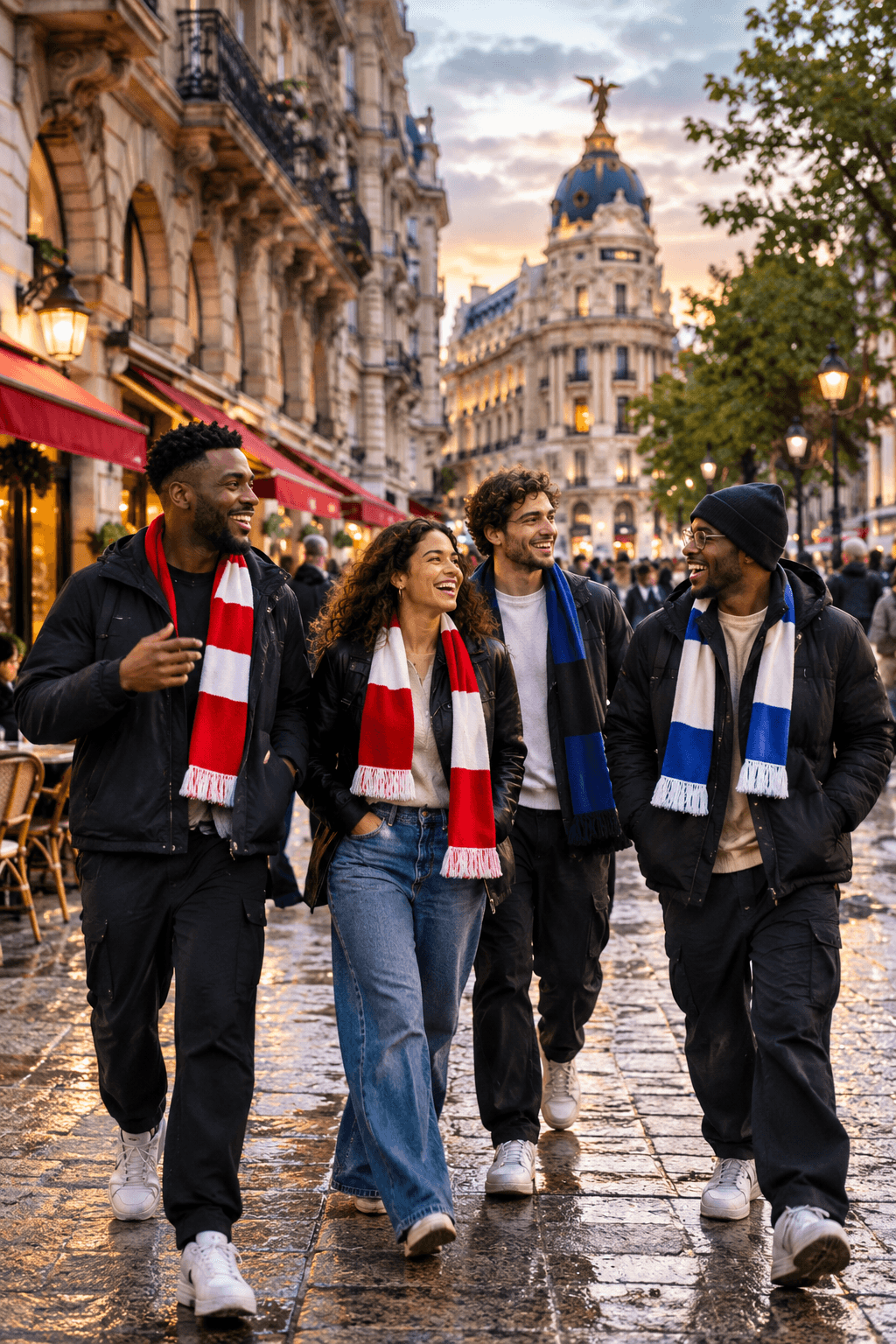
European matchday culture begins hours before kickoff. Supporters gather in pubs, cafes, plazas, and streets around the stadium. You do not need to imitate local rituals to enjoy them, but you should arrive curious, respectful, and early enough to take in the atmosphere.
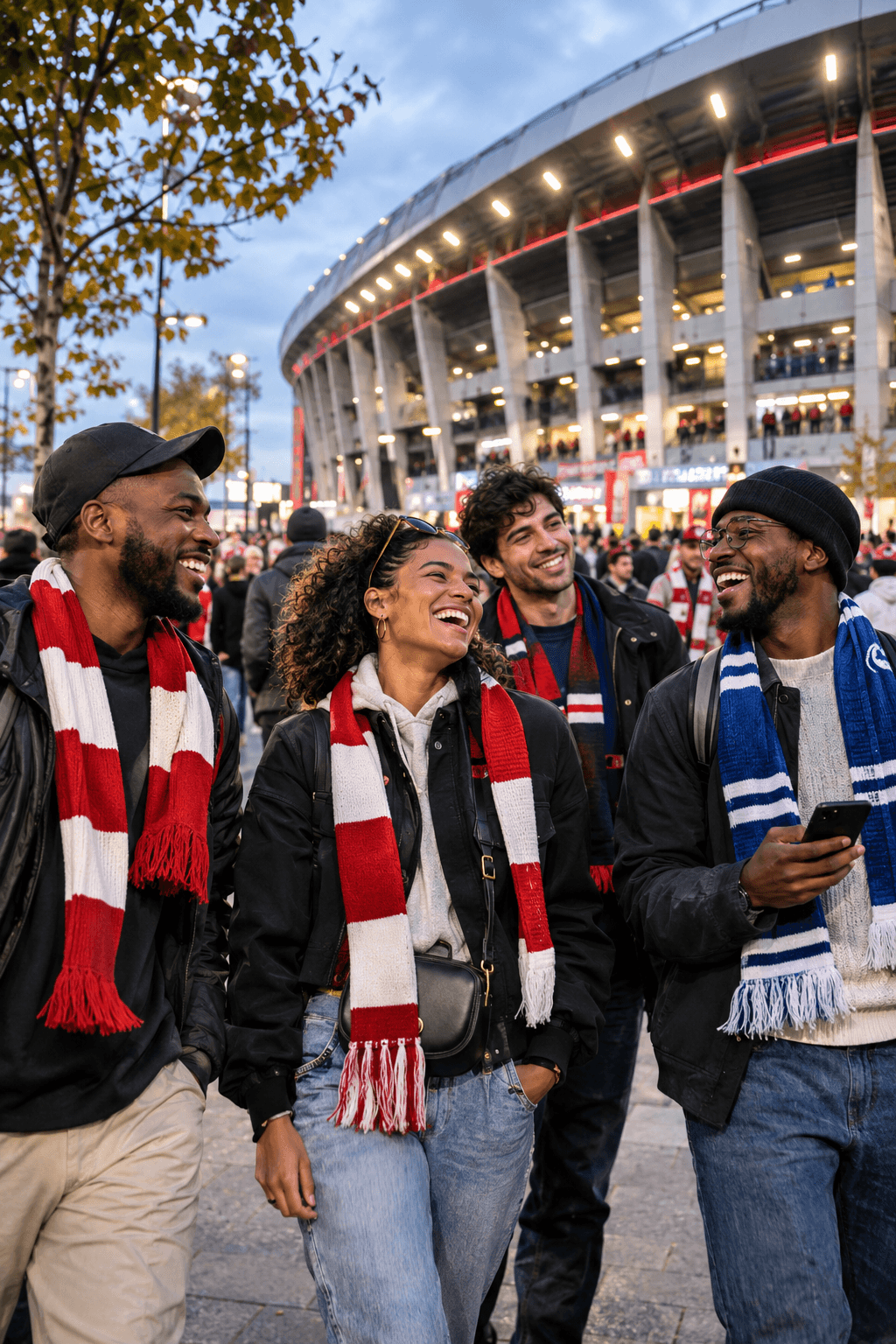
Aim to reach the stadium district at least 90 minutes before kickoff for a regular league match. For a derby, Champions League tie, or major rivalry, allow two hours or more. Security lines, mobile ticket checks, bag restrictions, and crowd-control measures can slow entry. Many grounds have strict bag rules, so travel light and check the club’s latest stadium guidance before you leave your hotel.
Wear your colors with good judgment. In most tourist-heavy areas, a club shirt is part of the experience. Near heated rivalries or in supporter sections, it is smarter to understand where you are seated and follow local guidance. Never assume that a neutral-looking ticket means every section is relaxed about away-team colors.
Once inside, take a moment before you reach your seat. Watch the stands fill. Listen to the chants build. European football is not just 90 minutes of elite play - it is the shared anticipation before the whistle and the stories supporters carry out afterward.
Get the Logistics Right Before You Land
International match travel is easier when the basics are already handled. Download tickets and travel documents before departure, but do not rely on screenshots if the club uses an app that generates changing barcodes. Keep your booking confirmation accessible offline and carry a backup charging cable or power bank.
Mobile data is especially useful on matchday. You may need it for ticket access, transit directions, communication with support, or a last-minute stadium notice. An eSIM lets you connect shortly after landing without spending your first hour searching for a store or depending on unstable public Wi-Fi.
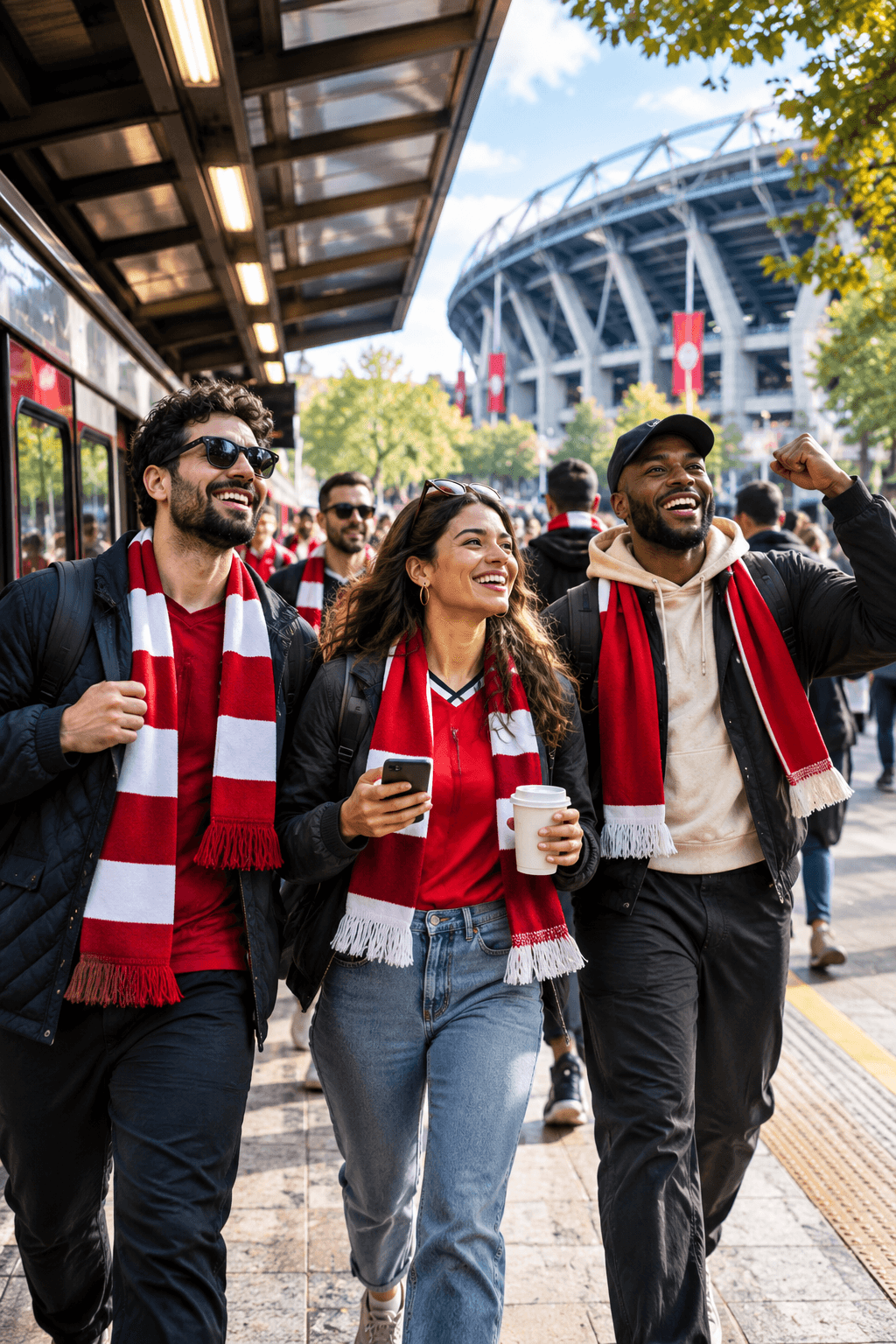
Use local public transportation when it is practical. Stadium traffic can be intense, and post-match rideshares often come with surge pricing, closed roads, and confusing pickup points. Before kickoff, check the final train or metro times, identify your preferred route back, and save a second option in case the first station is too crowded.
Money is another small detail that can become a nuisance. Cards are widely accepted in many European cities, but smaller bars, markets, and taxis may operate differently. Carry a modest amount of local currency, use a card with low foreign transaction fees if possible, and alert your bank before travel if required.
Leave Space for Changes
Fixtures move. Flights delay. Weather turns. The strongest itinerary is not packed to the minute; it has room to absorb reality. Avoid booking a nonrefundable day trip several hours away on the day before a match. Do not schedule a restaurant reservation across town two hours before kickoff. And do not make a tight airport connection your only route home after a Sunday night game.
If you are traveling for one of Europe’s biggest fixtures, book early once your match plan is secure. Hotels close to stadiums and city centers can fill quickly, especially during Champions League weeks, holiday periods, and derby weekends. Early planning gives you more choice, while flexible booking terms give you more protection.
The right European football weekend itinerary does more than get you through the turnstiles. It gives you time to feel the city, find your way to the ground with confidence, and walk back after the final whistle knowing the trip was built for the moment you came to experience.